1 / 5
 Apex Vape
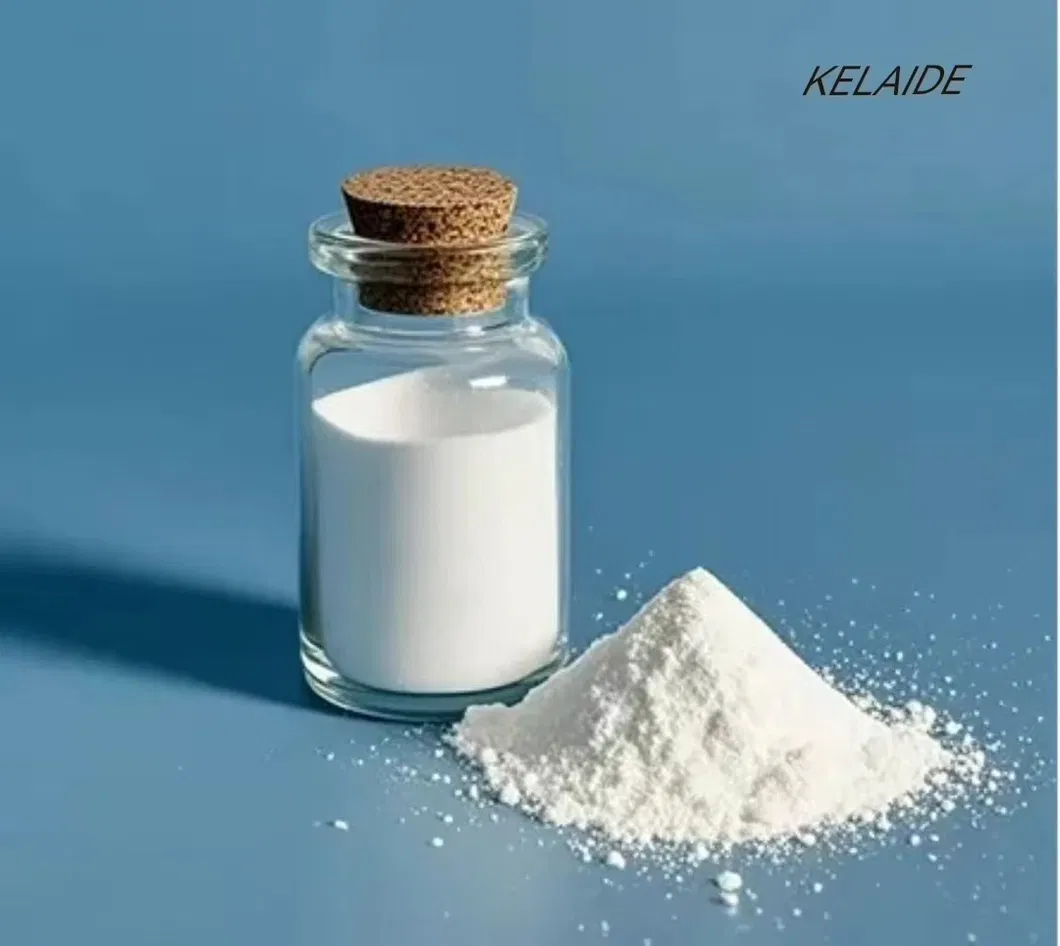
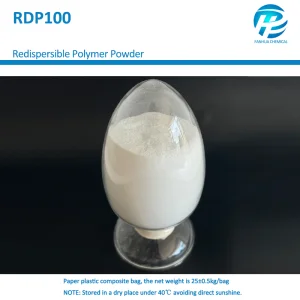
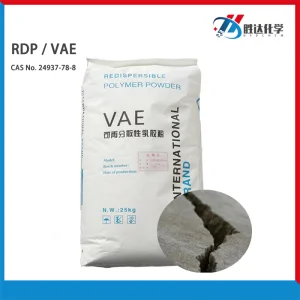
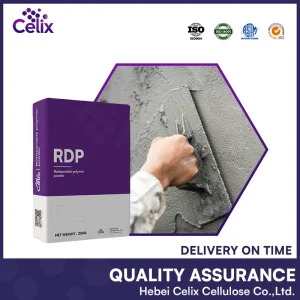
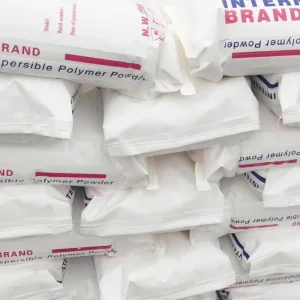
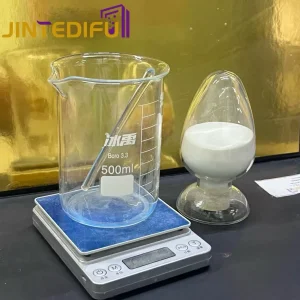
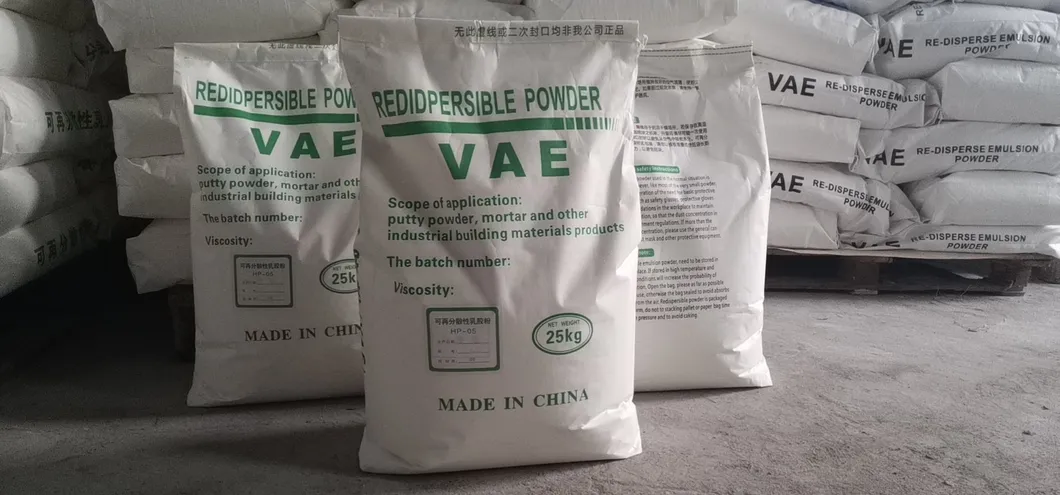
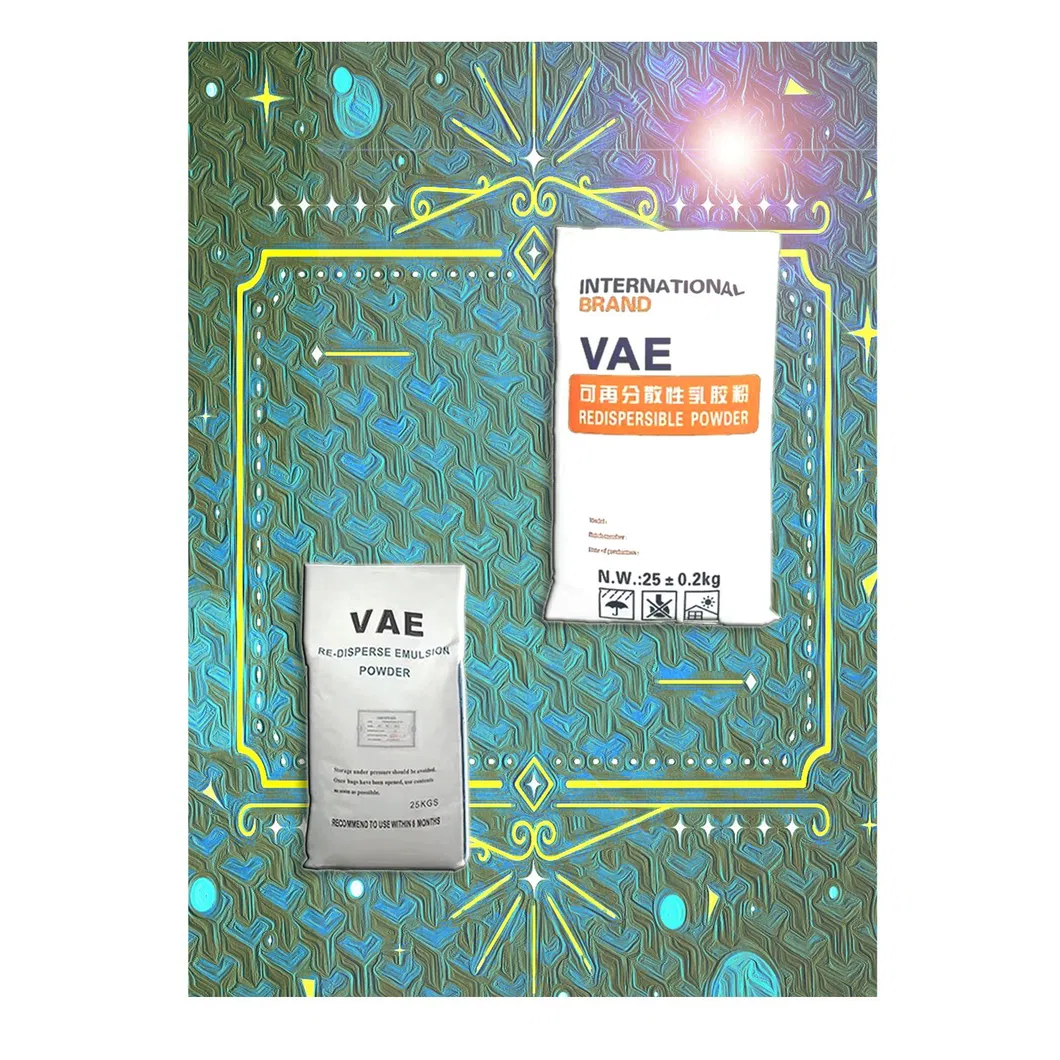
Re-dispersible polymer powder (RDP/VAE) products are water-soluble re-dispersible powders, divided into copolymers of ethylene/vinyl acetate, vinyl acetate/tertiary vinyl carbonate copolymers, acrylic copolymers and so on, spray-dried and made into powder adhesives, with polyvinyl alcohol as the protective colloid. Such powders can be quickly re-dispersed into emulsion after contact with water.
It has outstanding bonding strength, improves the flexibility of mortar and has a longer open time, gives mortar excellent alkali resistance, improves the adhesion of mortar adhesion, flexural strength, waterproofing, plasticity, wear-resistant performance and constructability, and it has strong flexibility in the flexible anti-cracking mortar.
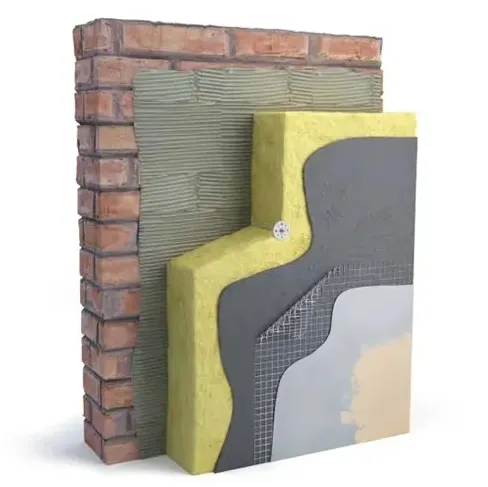
At present, most of the polymer emulsion powder applied in the market is made of vinyl acetate, ethylene, tertiary vinyl carbonate and other monomers through emulsion polymerization to get the parent emulsion, and then spray-dried. As a re-dispersible polymer emulsion powder, it must be easy to re-dispersed in water and maintain good storage stability.
| ITEM | KLD-3001 | KLD-3003 |
|---|---|---|
| Polymer type | vinyl acetate-veova | vinyl acetate ethylene |
| Appearance | White powder | White powder |
| Protective colloid | PVA | PVA |
| Solid content | 99±1 | 99±1 |
| Ash content | 23±2 | 16±2 |
| Bulk density | 300-500 | 300-500 |
| Average particle size | <300 | <300 |
| Glass transition temp | 14 | 10 |
| MFFT | 0 | 0 |
| Performance | Strong adhesion | Good fluidity and softness |
| ITEM | KLD-3005 | KLD-3007 |
|---|---|---|
| Polymer type | vinyl acetate veova acrylic | vinyl acetate acrylic resin |
| Appearance | White powder | White powder |
| Protective colloid | PVA | PVA |
| Solid content | 99±1 | 99±1 |
| Ash content | 12±2 | 12±2 |
| Bulk density | 300-500 | 300-500 |
| Glass transition temp | 0 | -1 |
| MFFT | 0 | -12±2 |
| Particle content | <3% | <3% |
| Performance | Good hydrophobicity | Versatility and cost-effective |
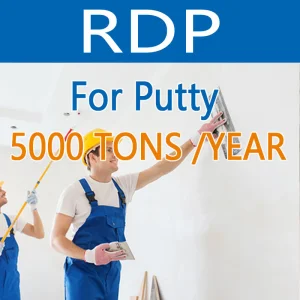
Dispersible polymer emulsion powder is mainly used together with cement and other inorganic binders for modification of concrete, sand, etc. and as powder coatings and powder adhesives.
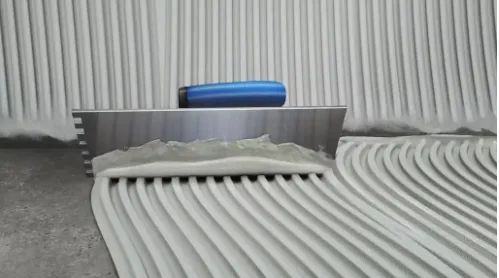
Ceramic Tile Adhesive: No damage under mechanical/thermal stresses; good hydrolysis resistance.
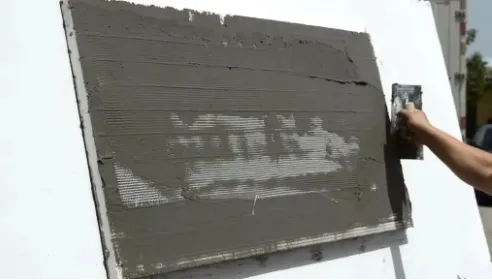
External Wall Insulation: Excellent adhesion to substrates; durably reduces elastic modulus.
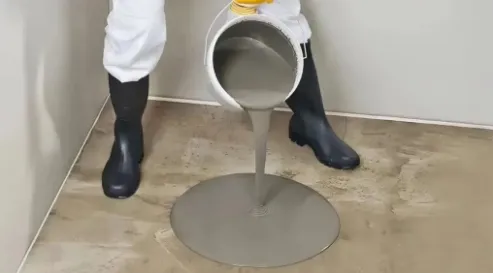
Flooring: Improves compressive/flexural strength and abrasion resistance; improves surface condition.
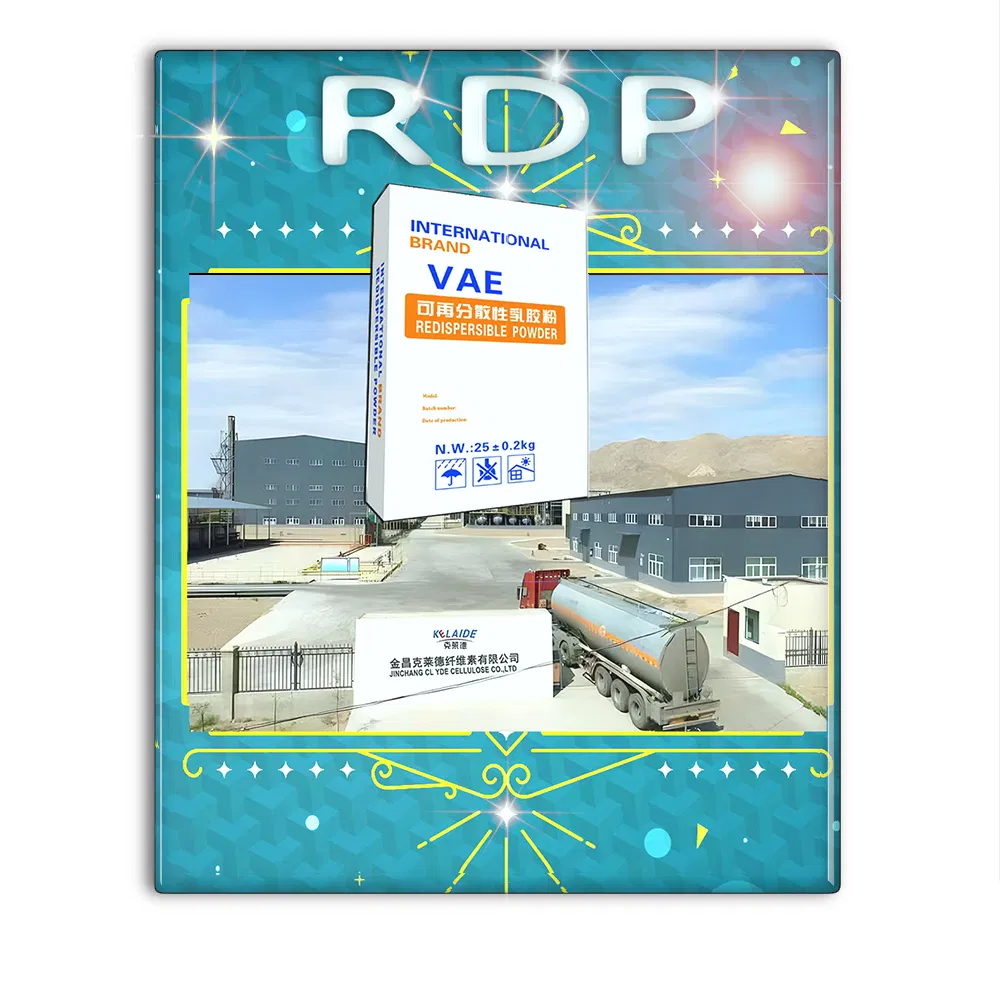

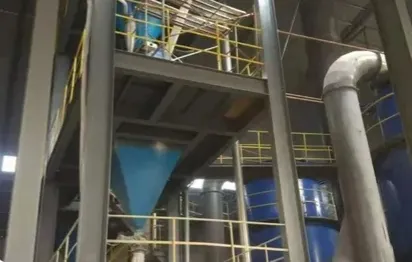
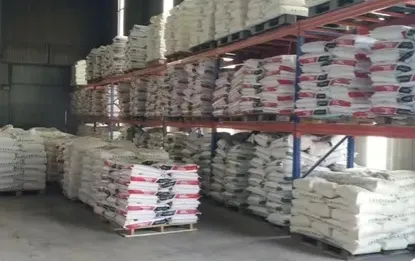
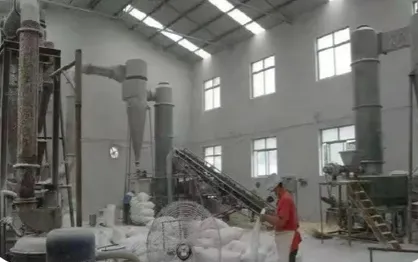
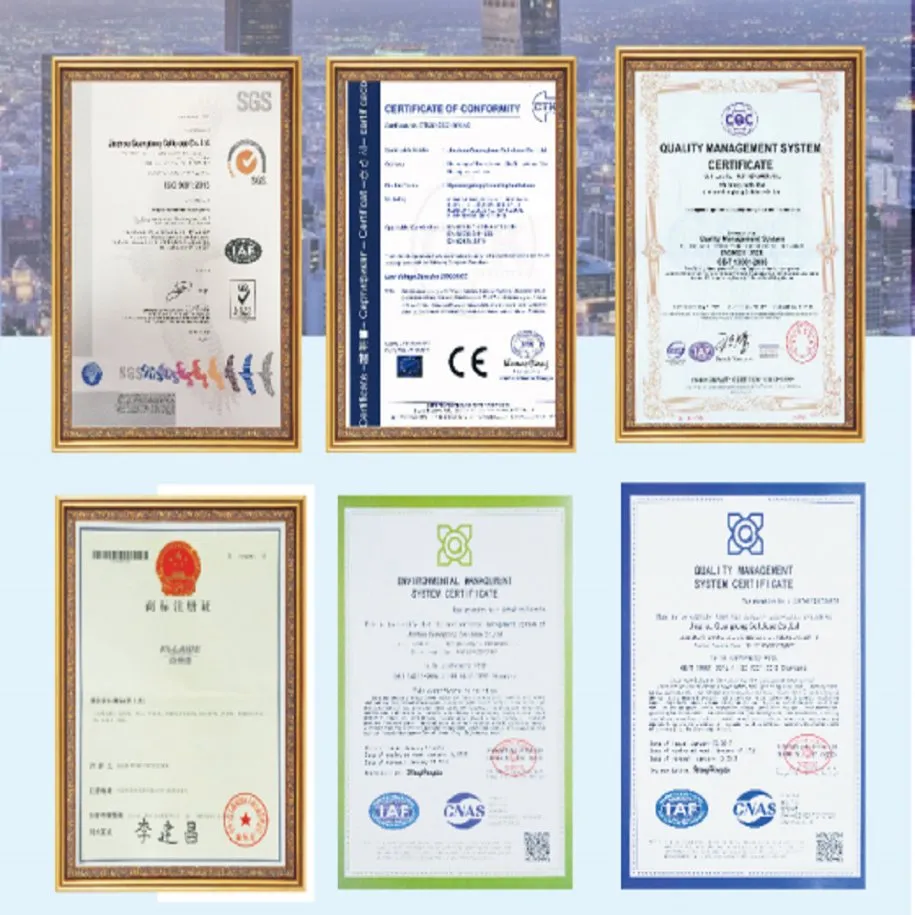
We are a high-tech chemical company specializing in construction additives. Our facility covers an area of 40,000 square meters and maintains significant fixed assets to support advanced production. With more than 200 employees and 30 specialized technicians (including 16 middle and high-tech experts), we ensure a strong foundation for long-term development and quality control.